





A clear office hospitality scope makes the service easier to manage and easier to evaluate. It protects both the client and the service team by defining the routine, the priorities and the limits.
Describe the workplace, not just the role
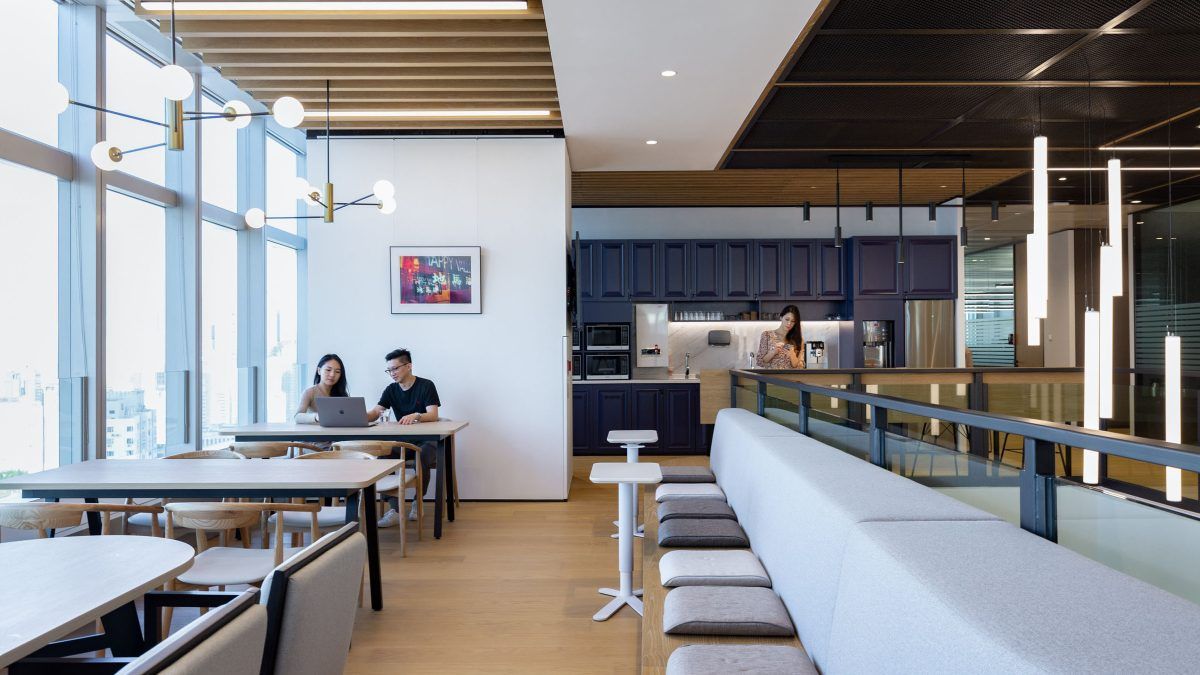
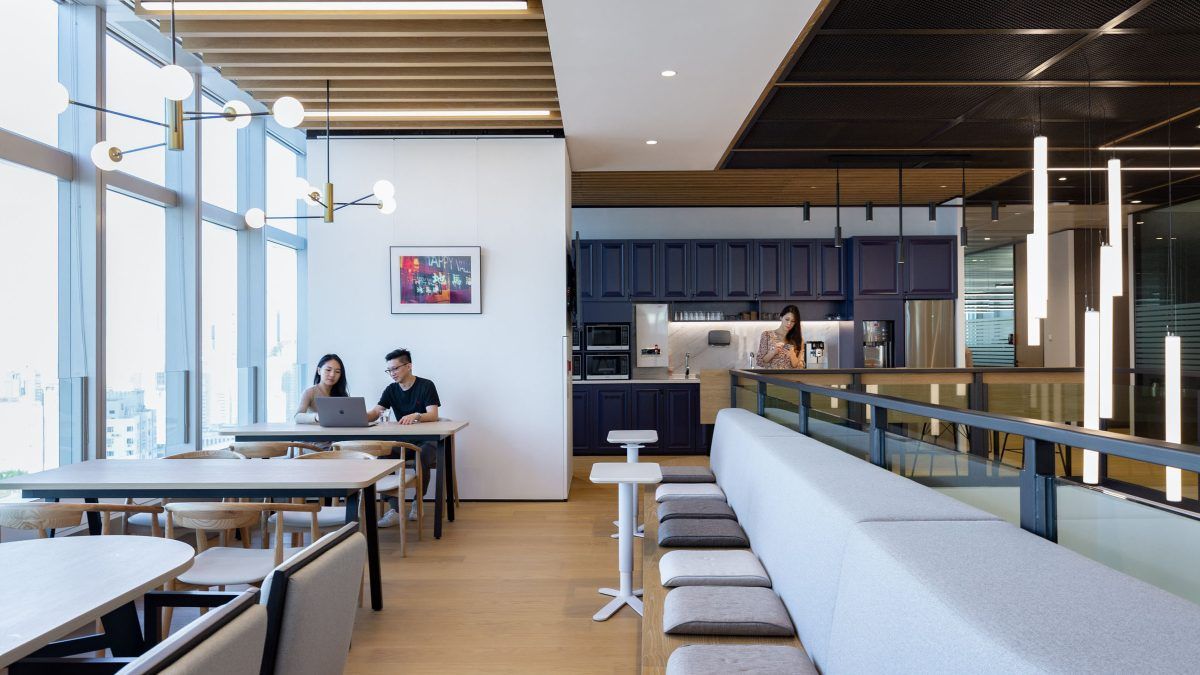
Start with office hours, headcount, number of pantries, meeting-room use, visitor volume and the areas that need regular support. This lets the proposed staffing model reflect the actual workload rather than a generic job title.
List what is included and what is not
The core scope may cover pantry care, meeting refreshments, room reset, supplies monitoring and light common-area preparation. Items such as procurement, external errands, food preparation, specialist cleaning, IT support, confidential document handling and reception cover should be listed separately and included only when expressly agreed.
Set operational arrangements
Agree the client contact, access process, service hours, break arrangements, attire or presentation requirements, supply-storage arrangements, backfill expectation and the way urgent requests are handled. These are the details that make daily delivery reliable.
Review after mobilisation
The right service plan can change as meeting rhythms, office occupancy or pantry use change. A short review after the initial period lets the team adjust the coverage or task order before small gaps become recurring frustrations.