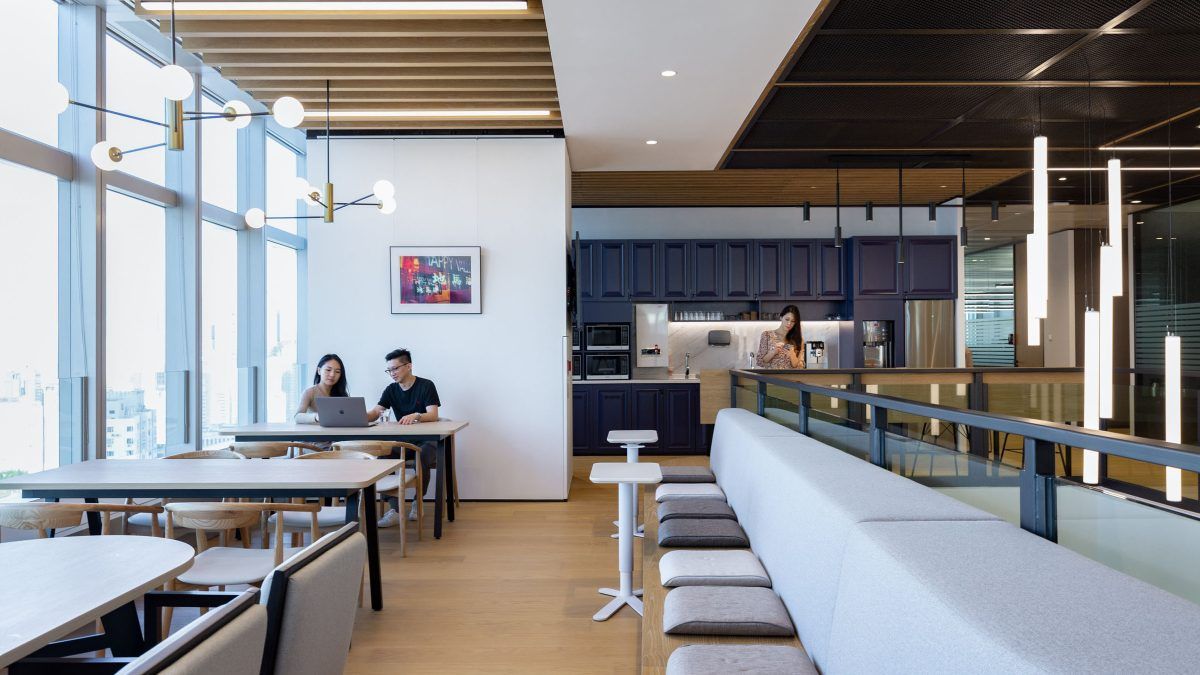





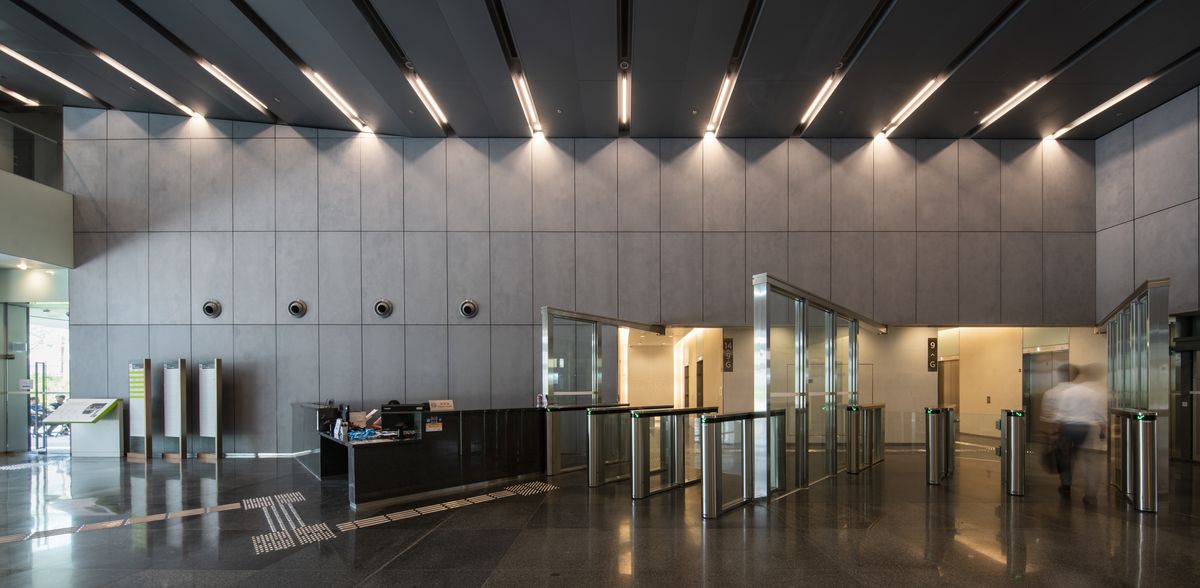

Choosing a tea lady service is not only about filling a role. It is about creating a dependable routine for the shared office spaces that influence employee comfort and visitor experience every day.
Ask how the scope will be defined
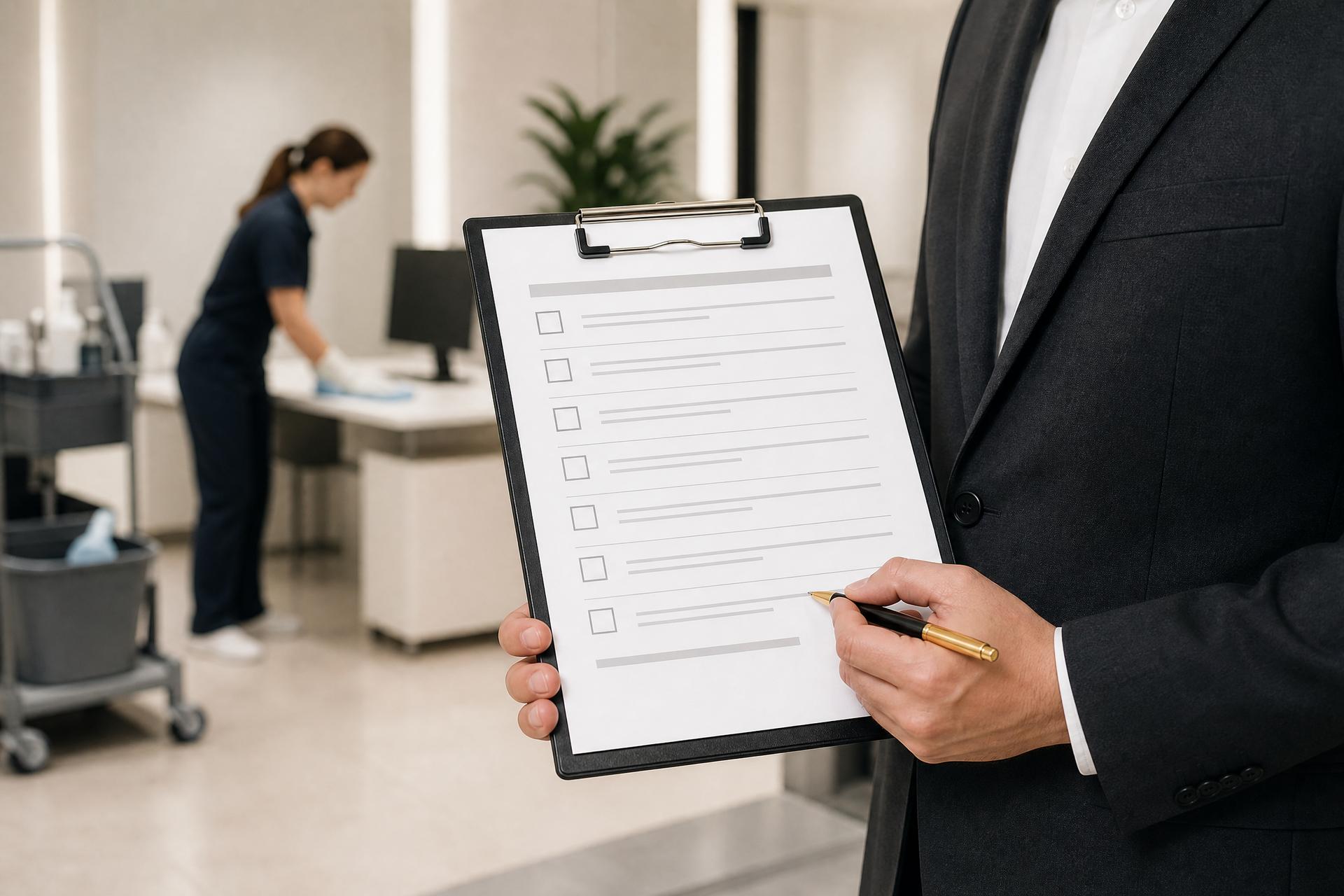
A useful proposal should describe the service zones, tasks, hours and priorities. It should make clear which responsibilities are routine, which require prior notice and which fall outside the agreed service.
Ask how continuity is handled
If one person is assigned to the office, discuss backfill arrangements, notice periods and who will be the day-to-day service contact. For larger offices, ask whether a two-person model or scheduled peak support would better match meeting volume and pantry use.
Ask about communication
The tea lady needs a clear client contact and a simple way to flag supply shortages, facility observations or meeting changes. Make sure the proposed communication style suits your workplace rather than adding another complex system.
Avoid buying vague promises
Terms such as full office support can mean different things to different providers. A better choice is a proposal that sets precise expectations and leaves any optional tasks, costs or third-party arrangements to a confirmed service agreement.