


A tea lady service is most effective when it is designed as a workplace routine rather than an undefined list of errands. In a corporate office, the role commonly sits between pantry operations, meeting hospitality and small practical tasks that help reception, facilities and office managers keep shared spaces ready.
Start with the service zones
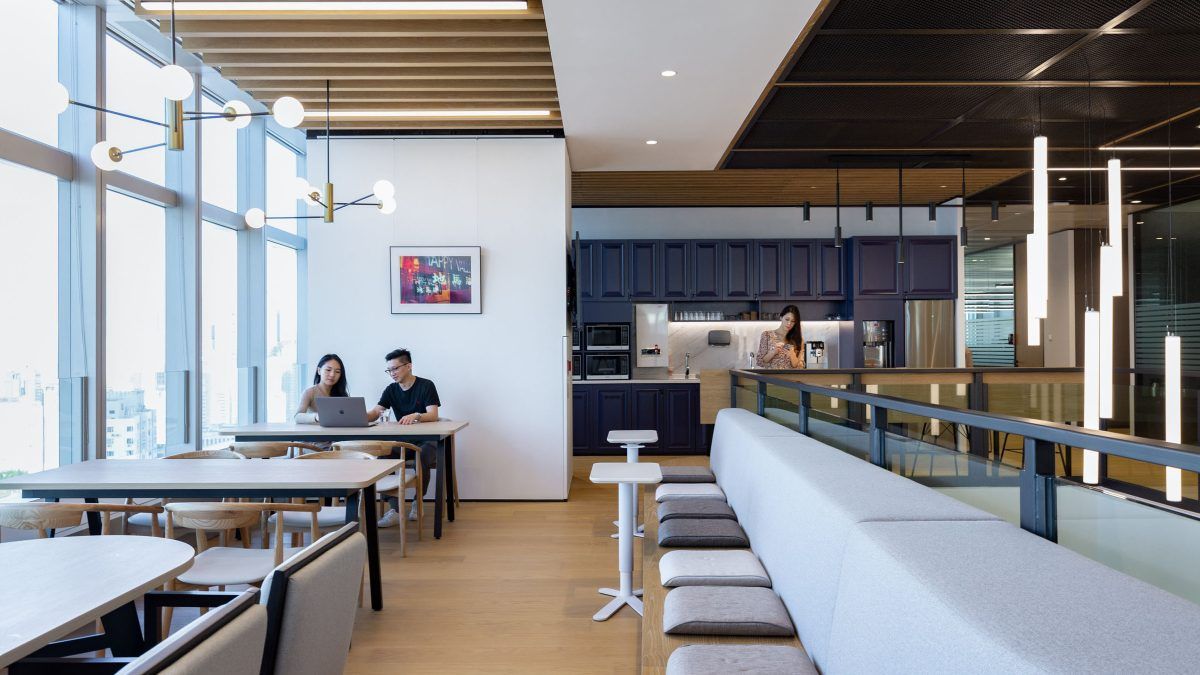
A useful scope identifies the spaces the tea lady will support: the pantry or coffee point, boardrooms, shared meeting rooms, reception-adjacent areas and any agreed common spaces. This makes it easier for the office team to distinguish routine support from specialist cleaning, procurement, IT work or reception duties.
Agree the meeting standard
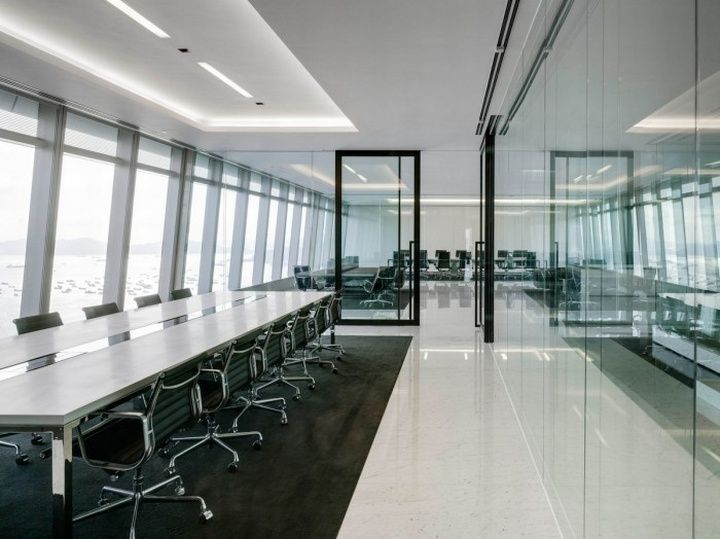
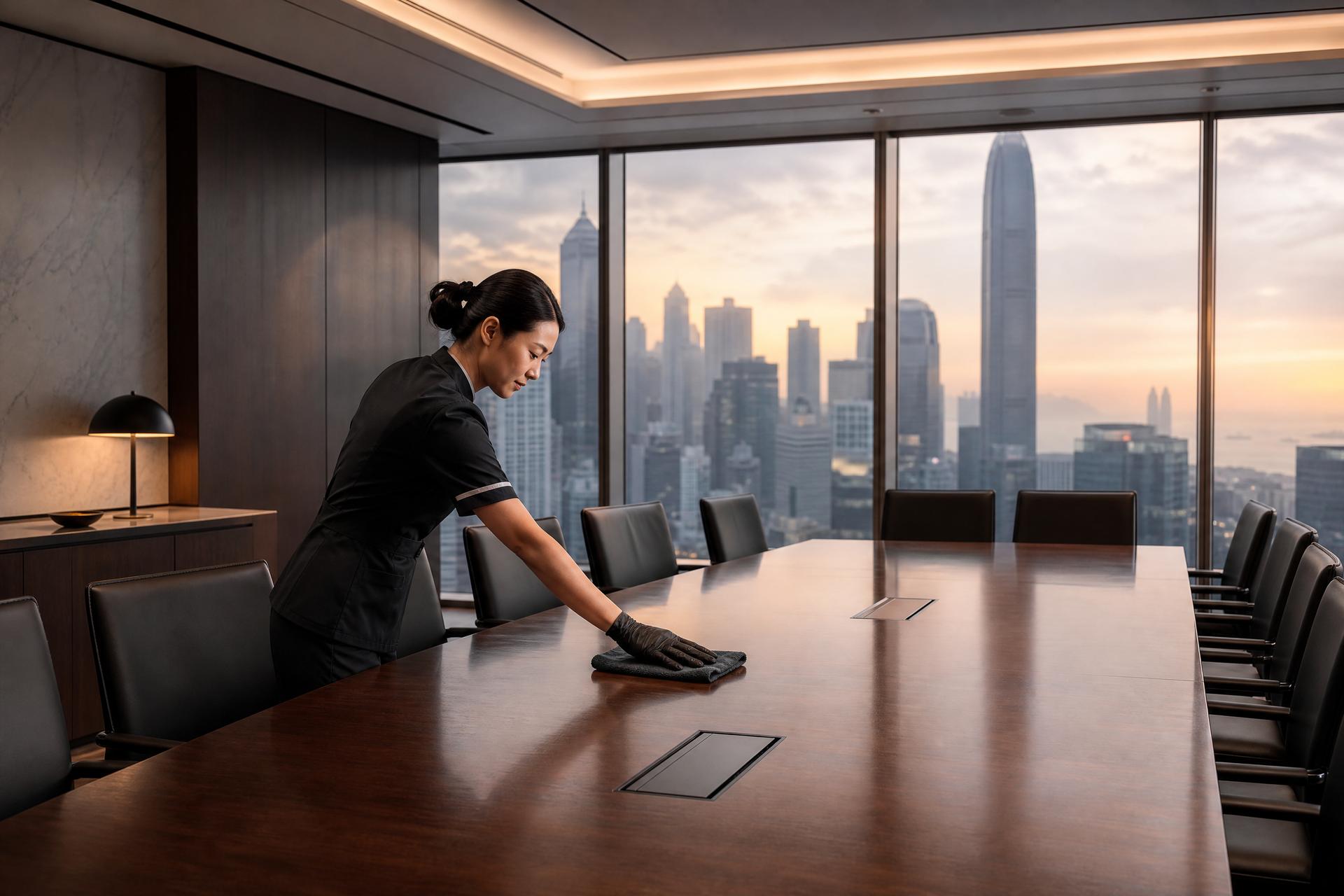
Meeting service can range from a simple water and cup setup to an agreed refreshment routine for scheduled internal, client or senior-management meetings. The office should define how meetings are communicated, what presentation standard is expected before guests arrive, and how the room should be reset after use.
Make supplies monitoring practical
A tea lady can flag when the agreed pantry or office items are running low. The purchasing decision, budget and supplier relationship remain with the client unless those responsibilities are expressly included in the final service plan. This keeps the role clear and avoids missed expectations.
Build in the right coverage model
A smaller office may choose one duty tea lady with planned backfill. A larger workplace or office with heavy meeting traffic may need a two-person team or agreed peak-period support. Hours, break arrangements, backfill, service limits and escalation contacts should all be confirmed before mobilisation.