Capabilities





All Capabilities →
Sectors

All Sectors →
Workplace focus
Legal and professional-services offices often need a calm, precise hospitality routine around client meetings and long working days. A tailored plan supports the practical areas of the office without assuming access to workspaces, files or other sensitive materials.
A service that respects the office rhythm
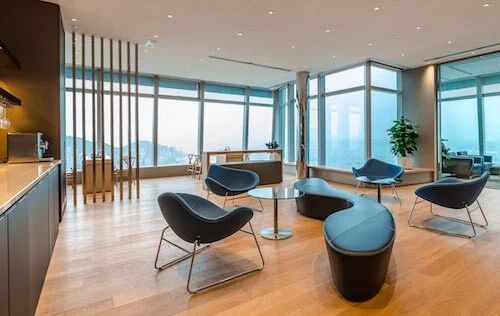
Corporate hospitality works when it is visible in the results and unobtrusive in the delivery. The service plan identifies the meeting spaces, pantry zones, visitor touchpoints and daily timing that matter to the organisation. The programme focuses on agreed common areas, pantries and meeting rooms, with clear boundaries around confidential work and a nominated contact for requests.
A defined operational handoff
The client appoints a day-to-day contact and agrees how meetings, supplies and exceptions are communicated. This lets the tea lady follow a predictable routine while the office retains control of its own policies, approvals and confidential information.
Reviewing what the workplace needs
Office use changes. A new team, a denser meeting schedule or a second pantry can alter the workload quickly. Service reviews create a straightforward way to adjust task order, coverage or peak support before the office experience is affected.
A tailored service plan
Office hospitality is most useful when it reflects the workplace’s own priorities.
Boardroom readiness
Meeting rooms can be prepared and reset around client and partner schedules.
Pantry support
Shared refreshment areas can be maintained through an agreed routine rather than informal requests.
Light office support
Agreed common-area tasks can help the office manager focus on higher-value coordination.
Frequently asked questions
Practical questions for workplace teams.
Can the service work around client meetings?
Yes. The office can agree meeting notification, refreshment requests and room-reset timing.
How are confidential areas treated?
The service plan should identify permitted areas and avoid handling files, papers or sensitive materials unless explicitly instructed by the client.
Relevant TeaLady.hk services
Start with the support your office uses most.
Plan your service