Capabilities
All Capabilities →
Sectors

All Sectors →
Workplace focus
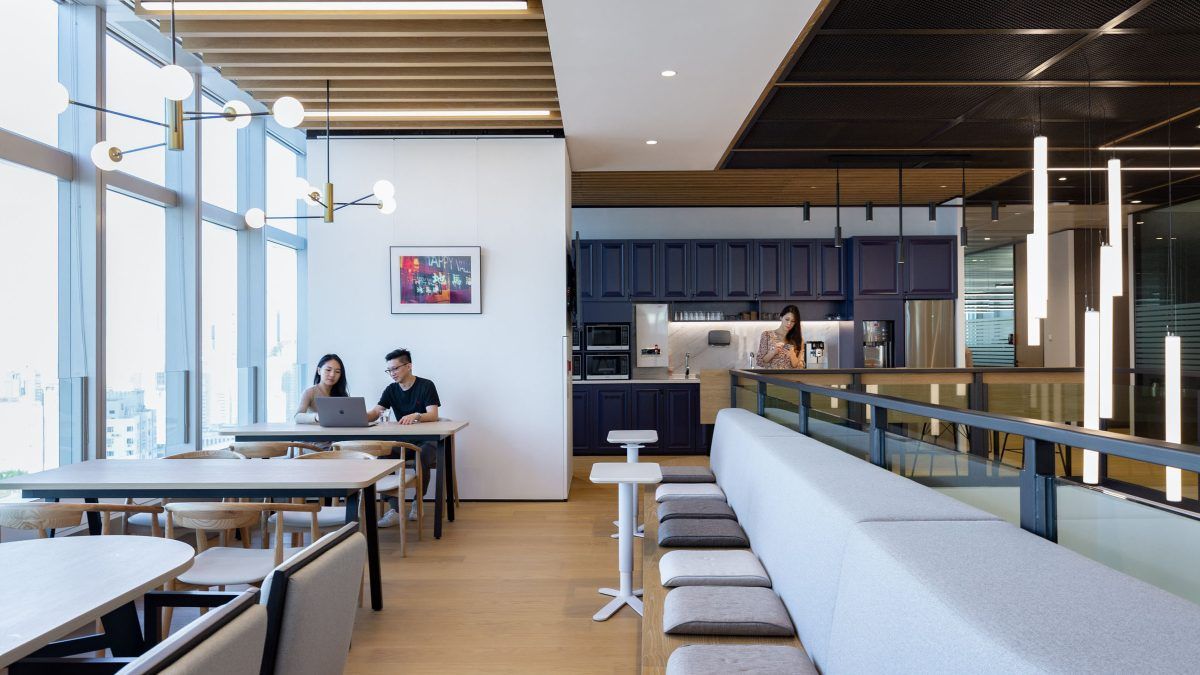
Financial-services offices frequently move between concentrated desk work, investor or client meetings and senior-management sessions. A tea lady programme can create a stable hospitality routine around pantries, boardrooms and visitor-facing spaces while following the office’s own agreed access and communication procedures.
A service that respects the office rhythm
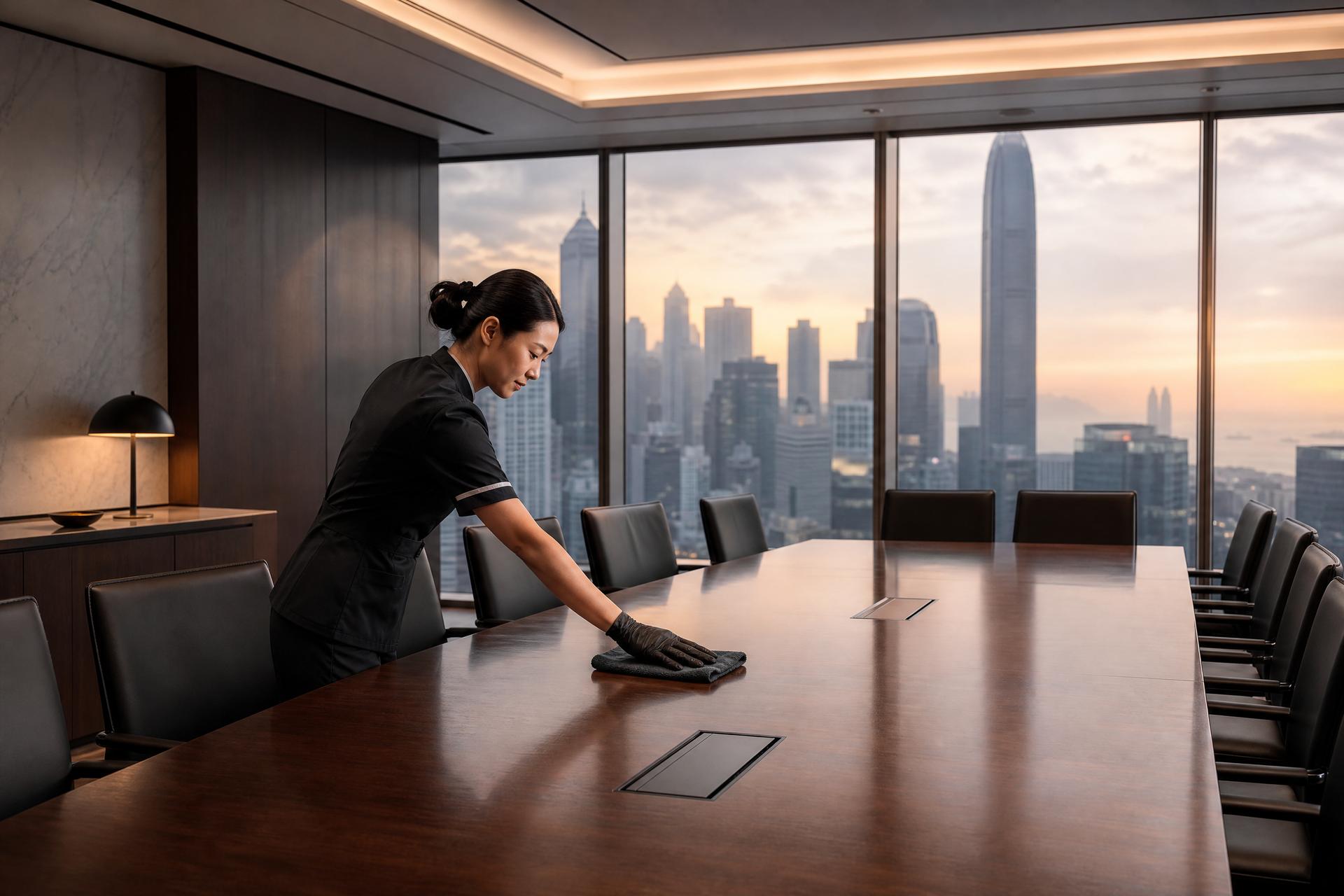
Corporate hospitality works when it is visible in the results and unobtrusive in the delivery. The service plan identifies the meeting spaces, pantry zones, visitor touchpoints and daily timing that matter to the organisation. The emphasis is preparation: a meeting room that is ready when the host arrives, a pantry that remains orderly during busy periods and a clear way to communicate exceptions without creating noise around the workplace.
A defined operational handoff
The client appoints a day-to-day contact and agrees how meetings, supplies and exceptions are communicated. This lets the tea lady follow a predictable routine while the office retains control of its own policies, approvals and confidential information.
Reviewing what the workplace needs
Office use changes. A new team, a denser meeting schedule or a second pantry can alter the workload quickly. Service reviews create a straightforward way to adjust task order, coverage or peak support before the office experience is affected.
A tailored service plan
Office hospitality is most useful when it reflects the workplace’s own priorities.
Meeting hospitality
Scheduled refreshments and room readiness can be aligned with client, investor and management meetings.
Pantry routine
A defined check pattern helps shared kitchen spaces stay presentable throughout a busy day.
Guest readiness
Visitor-facing spaces can be prepared in coordination with the office’s reception or workplace contact.
Frequently asked questions
Practical questions for workplace teams.
Can tea lady support be planned around early meetings?
Coverage and task order can be designed around the office’s meeting schedule, subject to the agreed service hours.
Can the service respect restricted office areas?
Yes. The client defines access boundaries, permitted work zones and the appropriate communication route during setup.
Relevant TeaLady.hk services
Start with the support your office uses most.
Plan your service