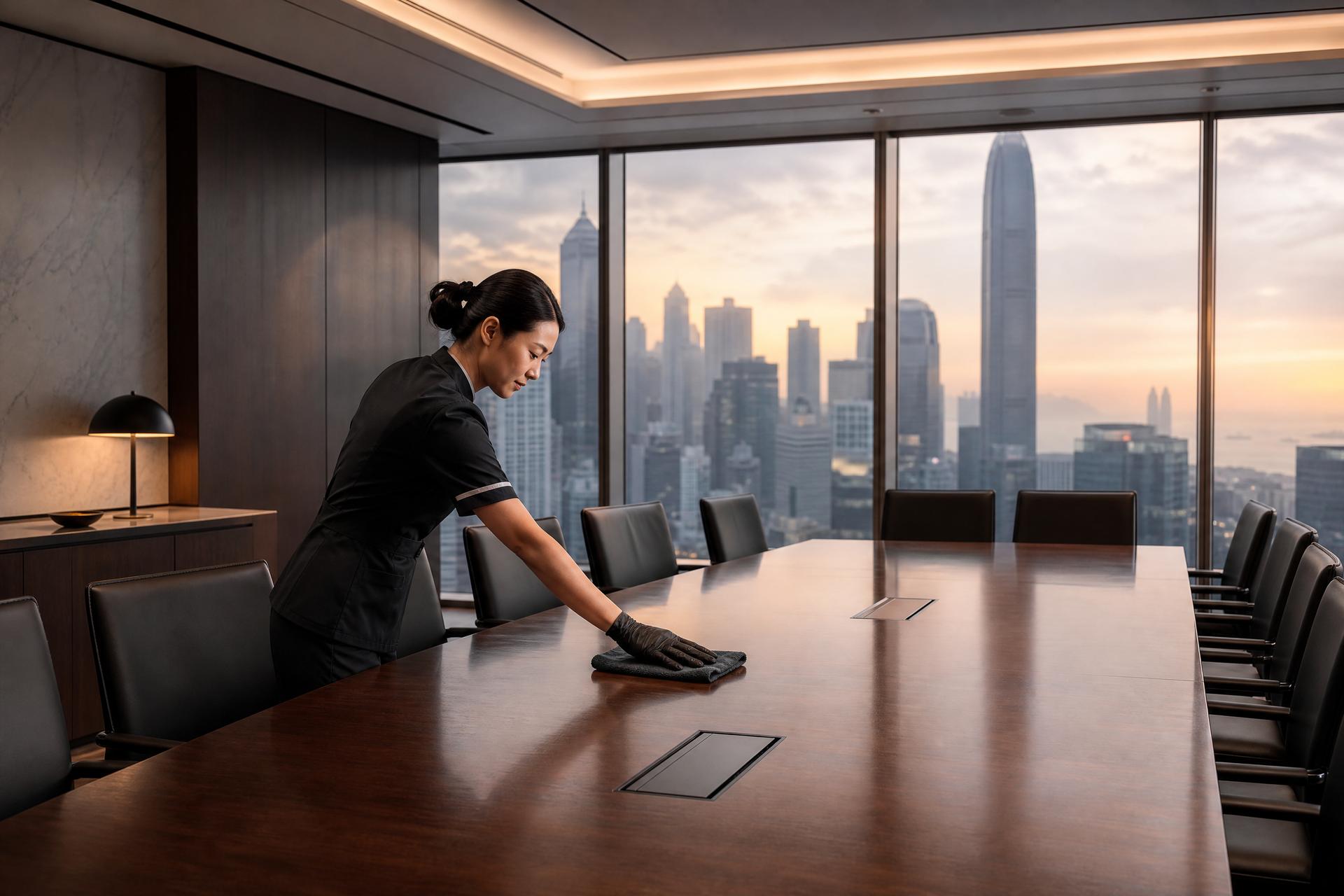
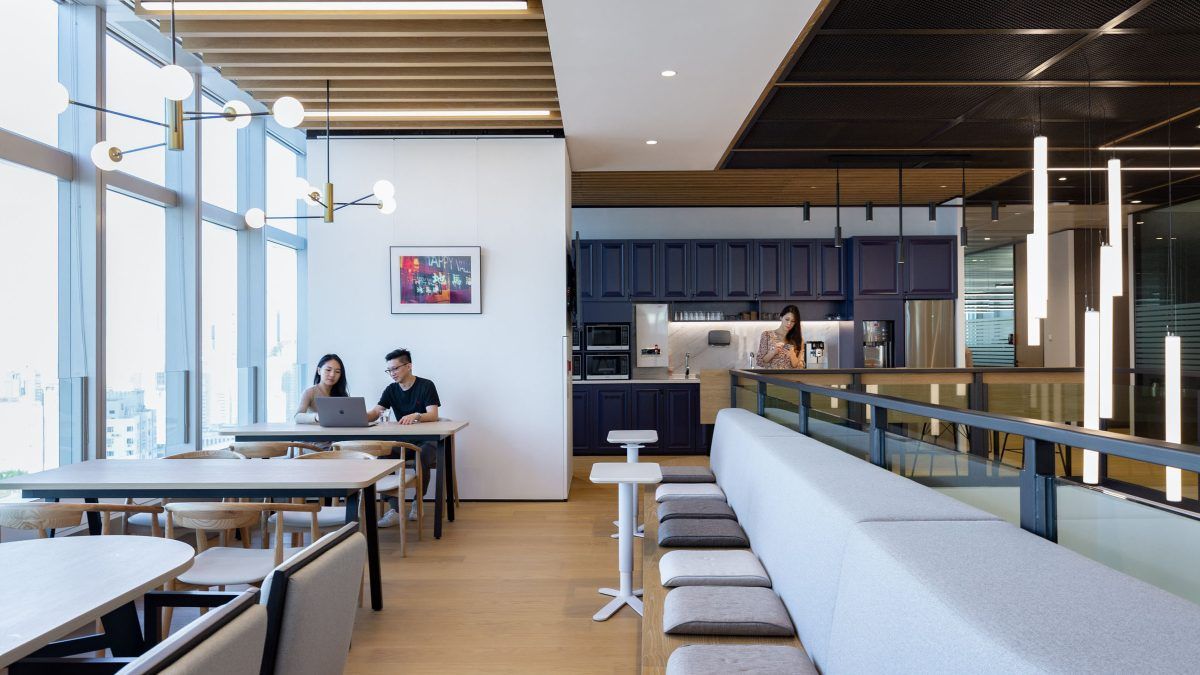

Good boardroom hospitality is rarely noticed when it is working well. The room is prepared, refreshments arrive at the right point, used items are collected discreetly and the space returns to a ready condition after the meeting.
Create a meeting handoff
The office should decide who notifies the hospitality team about meetings and how much lead time is needed. A calendar, reception handoff or agreed daily schedule can work. The important point is that expectations are visible before the meeting begins.
Agree the service boundaries
Specify whether the tea lady provides water only, a defined tea and coffee service, client refreshments supplied by the office, or a broader setup routine. These decisions affect timing, supplies and the staffing plan. A clear scope prevents a simple service from being treated as open-ended event support.
Plan the reset
After each meeting, a defined room reset can include collection of cups and plates, table tidying, chair alignment and a readiness check for the next booking. AV equipment, confidential papers and personal belongings should remain outside the scope unless the client gives explicit instructions.
Use peak support deliberately
Quarterly reviews, board meetings and client event days may need an additional pair of hands. When those dates are known in advance, peak-period assistance can be discussed as part of the service plan, subject to availability.